
Signal
Priint Day 2023: PIM, Print and AI Belong in One Workflow
Sophia Mokrytska · 2023-05-01 · Updated 2026-10-17 · 3 min read
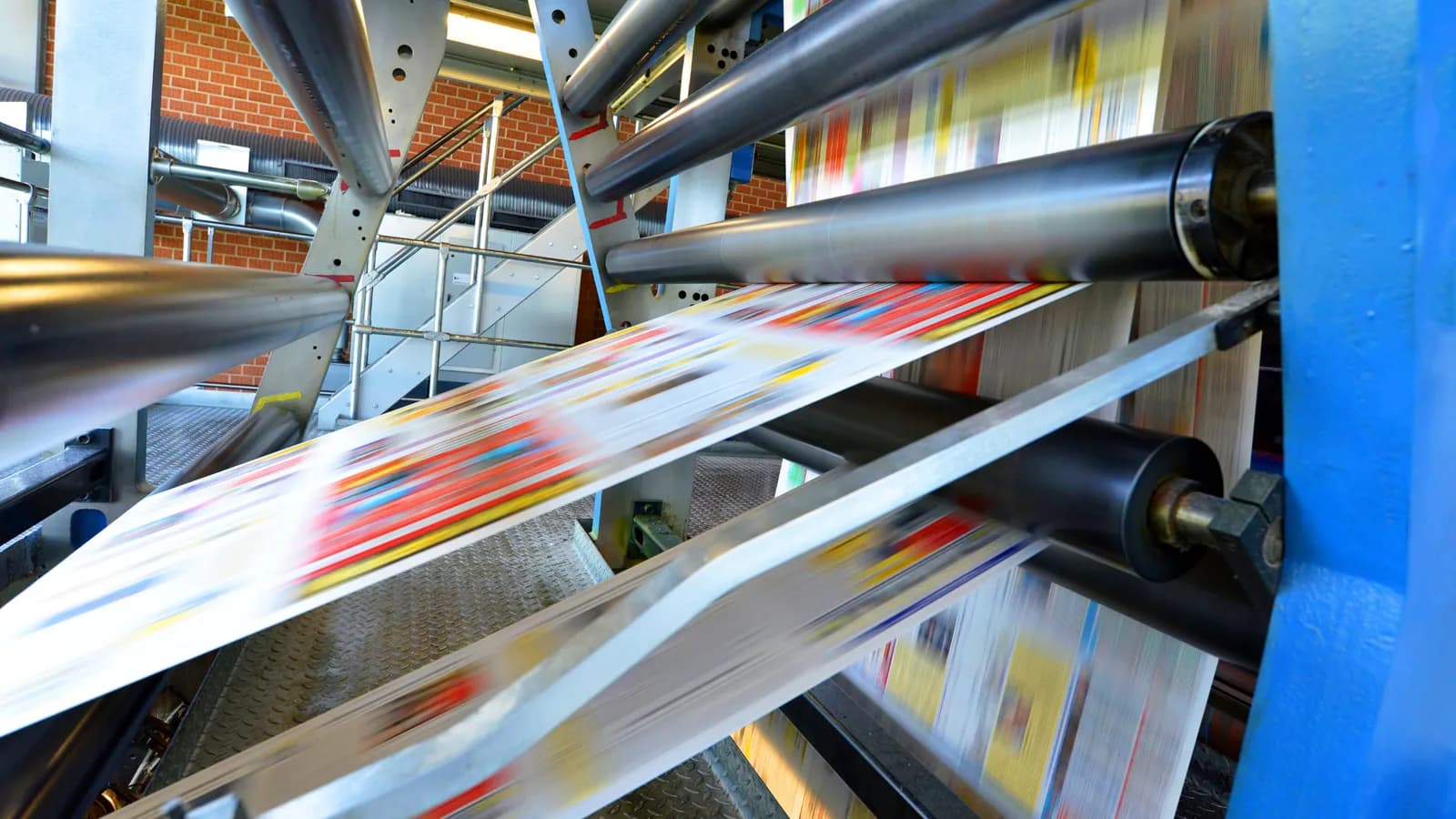
The part of Priint Day 2023 that still holds: print, the product record and the channel break when each lives in its own file. AI for classification does not repair that split. It waits on the record.
On 17 and 18 April 2023, PIMvendors attended Priint Day, the event on product communication and marketing across channels. The companies on the programme included Contentserv, Priint, DynamicWeb, inriver and Simio Analyse. The notes below are what we took back. They are not a transcript, and they do not assign a sentence to a named speaker.
One record for the PIM and for print
Excel, InDesign, Dropbox and a separate folder of images were the setup the room treated as the normal way product information goes wrong. Price in one file, copy in another, the pack shot in a third. A shopper then meets a different product depending on whether they hold paper or a screen.
The recommendation was ordinary and still right. Put product data, prices and images in a PIM, and feed the print tool from that record. What a PIM is for is the short version of that job. PIM features and what they actually cover is the longer one, including the unglamorous part: workflow, rights and a place for the asset. The trade-off is real. Someone loses the habit of fixing the price in the layout file five minutes before the printer closes. That habit is fast. It is also how last season's price survives in this season's catalogue.
AI was on the agenda, without a measured result
AI showed up as a way to classify attributes, clean data and help with mapping, and as a way to take repetitive work off the team. That is as specific as the notes get. No accuracy figure was given. No vendor left a before-and-after we can cite.
Treat that as a boundary, not as a disappointment. AI-ready product data explains where a model can sort values you have already defined, and where it invents a confident answer from a thin record. Product data quality and governance is the work that has to come first: an owner, a definition of "complete" per channel, and a fix that does not live in one person's spreadsheet. Classification on top of an undefined attribute list just gives you a faster mess.
Print what you need, from the record you trust
Digital print with a direct path from the PIM changes the pile of paper, not the need for a record. Datasheets, personalized catalogues and manuals can be generated when someone asks for them, instead of a storeroom of flyers that went stale in March. You print the run you need. You waste less. A data change can reach paper without a designer rebuilding the file by hand.
The cost is template discipline. A bad template prints the bad record faster, in every language you were proud to support. Agree which fields are allowed to move, who may change a template, and what "ready to print" means on the record. Then the on-demand press is a distribution choice. Without that agreement it is a faster way to publish the argument your teams are still having in InDesign.
Diagnostic
Do you actually need a PIM?
Run the complexity index before you budget software or hire an SI.
Budget
Model a first-pass TCO
Translate catalog shape into a three-year cost range in under ten minutes.