
Core
Top 10 Benefits of a PIM for Product Data Management
Stephan Spijkers · 2025-02-20 · Updated 2026-10-10 · 15 min read
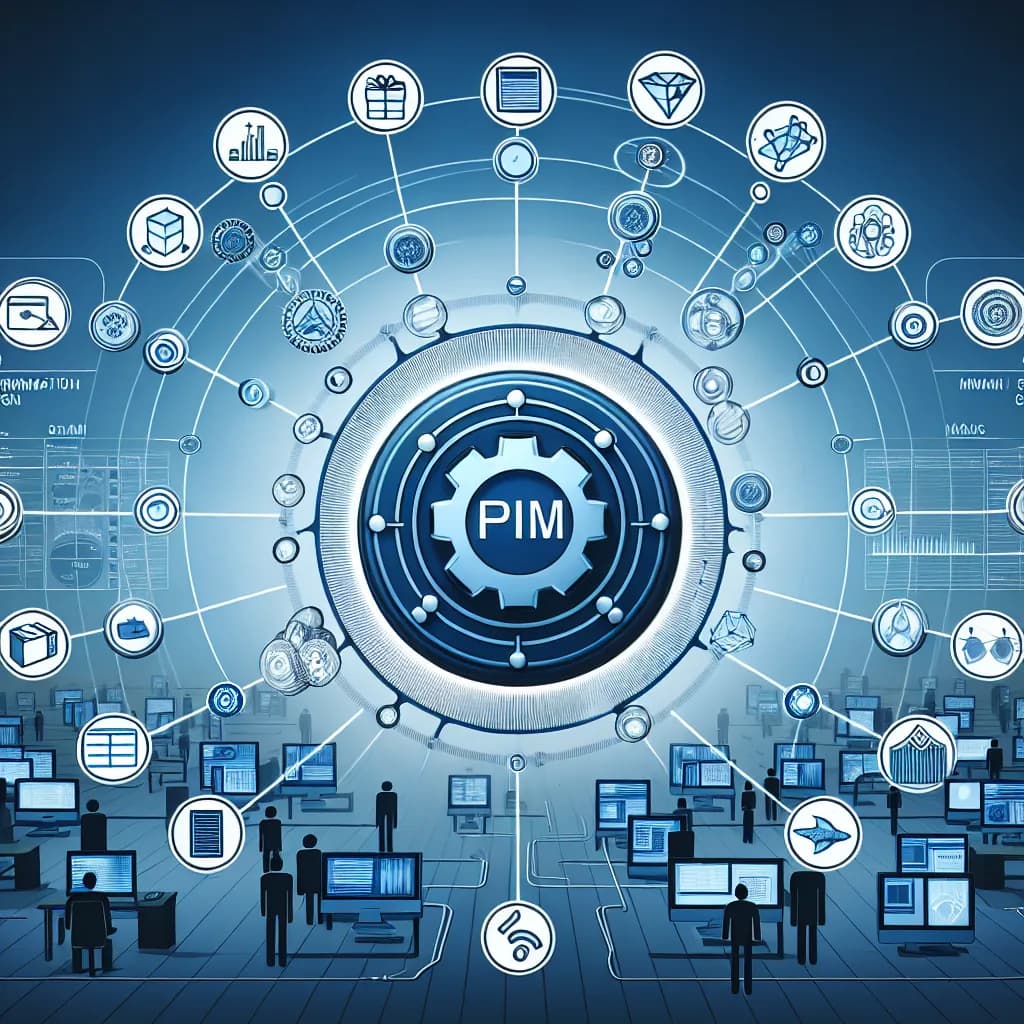
A product information management (PIM) system is where a company collects, manages, enriches and distributes the information about the products it makes or sells. That information already lives somewhere: an ERP, an ecommerce platform, an image database, Excel files. The problem is keeping it in line across that set. A PIM is the system that organizes it. The full definition is in what is PIM.
The ten benefits below are what that buys you. They overlap, because most of them follow from the first one: one place for product information.
Why companies need a PIM
The question usually starts with a problem, not with software. These are the ones we hear most:
- Returns, and lost revenue, because product information is wrong.
- The same product is online in several versions, and recorded differently in each system.
- Information that is incomplete, out of date, or wrong.
- Catalog data that does not follow a logic anyone can explain.
- No view of the range the company actually sells.
- New products take too long to introduce, and competitors have the collection online first.
- Much of the working time goes to copying product data, and getting one product online takes several systems and several people.
- Lost revenue because someone else lists your products on marketplaces.
- Copy that does not help a customer buy, or that is weak for search.
If several of those are familiar, the conversation is about a PIM. You are not alone in that. According to Ventana Research, 74% of the organizations in their research need "some or significant effort to manage their product information" (Ventana Research, 2019). A majority of omnichannel trade organizations in the EU already manage product data centrally. Only 25% use specific PIM software for it (Markets and Markets 2022 report).
The 10 benefits of a PIM at a glance
- One source of truth for every product.
- More accurate product data, checked before it is published.
- Less manual work in the product data process.
- The same product on every channel, with control per channel.
- Higher conversion and fewer returns in ecommerce.
- Faster time to market for new products and changes.
- Product and media in one view, together with a DAM.
- Better collaboration with suppliers and partners.
- Room to scale without adding people for every channel or system.
- Control over who changes what, for governance and compliance.
1. One source of truth for product information
A PIM consolidates product data into a single source of truth. It replaces the mix of spreadsheets, databases and disconnected systems where versions drift apart.
Whatever exists about a product is collected in the PIM, automatically where it can be. Sources include data pools, ERP systems, supplier files and Excel. Marketing adds descriptions and images on top. The organization then has one system with the complete, correct product information, and every channel can show the same product. This is often called the golden record: a single version of the truth.
What changes day to day:
- Product content is entered or imported once.
- Looking something up is a query on one system, not a search across several. Colleagues stop hunting for the latest version.
- Marketing, sales and logistics work from the same, current record.
- An update goes out once to every channel instead of being repeated per channel.
2. More accurate product data
Wrong product data costs money. A customer returns the product, support answers a question the page should have answered, a marketplace rejects the listing. A PIM reduces those errors in four ways:
- One format and one classification. All product information is stored in the same structure, so the same product is no longer recorded three different ways.
- Validation before publication. The PIM checks data against quality rules and flags or blocks records that miss them. Publication is complete because incomplete records do not go out.
- Version control. Changes are tracked, so you can see who changed what and revert when needed.
- Metadata and relationships. Clear categories and attributes make products easier to find and keep the right details attached to each item.
For the customer, correct sizes, colors and specifications mean an informed purchase. Fewer products come back, fewer questions arrive by phone and email, and the customer has a reason to buy from you again.
3. Less manual work in the product data process
The product data process is where time and errors leak. Several people usually create and maintain product information, which produces different formats and different processes. A PIM pulls them into one process. In practice it:
- Automates the repetitive tasks: imports, channel exports and pre-filling new products.
- Makes the status of the data visible, so everyone sees what is missing before a launch.
- Gives teams a shared place to work, with an unambiguous workflow.
- Stops the same information being kept twice.
That also lowers cost. Marketing, photography, DTP, product owners and data managers each do their part of the product in the same system instead of passing files around. Errors show up sooner, and the hours that went into copying and correcting go to work that improves the range.
The PIM also connects to the rest of the stack. Linked to the ERP and inventory, it receives the operational data (SKU, price, stock) and adds the commercial content on top. Where one system ends and the other starts is in where ERP stops and PIM starts.
4. The same product on every channel
Customers move between your webshop, marketplaces, social media and stores. A PIM keeps the product the same wherever they meet it.
- Consistent product information. Fewer mismatches, such as an article name that differs between the webshop and the back office, or prices that are not the same everywhere.
- Control per channel. You decide which information appears on which channel, and the assortment can differ by channel.
- Marketplace and feed publishing. XML feeds to marketplaces such as Google Shopping and Amazon are straightforward, including required values such as GTIN / EAN and MPN (manufacturer part number). Publishing to marketplaces, data pools and webshops stays manageable.
- Targeted campaigns. Detailed attributes let marketers segment products and audiences, for example green products for buyers who filter on sustainability.
- Analytics. Connecting sales data to product information shows which items perform on which channel.
Marketing needs complete product information to market a product, new or existing, and in a PIM every department involved puts in its part: specifications, videos and images. Sales gets the same benefit. Account managers see the current product information, so prospects and customers are not handed an old or wrong version. One source is easy to open and share, which shortens the sales cycle.
5. Higher conversion and fewer returns in ecommerce
On a digital channel, product content decides whether the range is found and whether a visit becomes an order. Buyers research before they purchase, and they lean toward sellers who put a full product display online.
- Rich product content. A PIM holds images, detailed descriptions and specifications for every product.
- Search. Better names, descriptions and specifications are what search engines and on-site search use to find the product. Search engine optimization is part of PIM work, and better product information brings more traffic and a higher conversion.
- Cross-selling and up-selling. Relationships between products in the PIM drive cross-sell and upsell, which raises the number of lines on an order.
- Fewer returns. Content that lets the customer choose the right item cuts returns and the complaints that follow a wrong choice.
- Faster updates. A change in the PIM reaches every connected platform, so new products and price changes go live sooner.
A PIM also makes a broader and deeper range possible. An orderly categorization leaves room to expand, and complete data lets you sell a large number of products without losing the overview. Slow movers, the long tail, do not all have to sit in stock: drop-shipment works when the product information is good and the supplier delivers quickly.
6. Faster time to market
Each stage of a product's life, from development and launch through growth and maturity to phase-out, needs different information. A PIM gives that information one home.
- Launch faster. Workflows in the PIM bring a new product online sooner, with the product information it needs.
- New products and SKU alternatives. Custom products have a place to live. Product information is reused instead of rewritten, and information that changes is updated without a parallel copy.
- Respond to change. When the market or customer feedback calls for a change, you update the record once and push it to every channel.
- Learn from performance. Sales trends and customer feedback per product help you decide what to improve and what to phase out.
Engineering data usually starts upstream, in PLM. How the two systems divide the work is in PLM and PIM integration.
7. Product and media in one view
A PIM manages product data. A DAM (digital asset management system) manages rich media: images, videos and documents. Connected, they give you:
- One view of product and media. Teams see product data and its images, videos and documents in one interface instead of switching between systems.
- Consistent branding. Every channel uses the latest approved images with the latest content.
- Faster launches. Product information and the related media are prepared together, so campaigns and launches do not wait on one or the other.
- Better product pages. Well-organized data next to good images or instruction videos helps the customer decide.
The difference between the two systems, and when you need both, is in what are DAM and PIM systems.
8. Better collaboration with suppliers and partners
Accuracy also matters outside the company. When suppliers and buyers share one version of the product information, in a format that fits, everyone works from the same record. Wrong data passed along the chain is how supplier and buyer relationships get damaged.
- Supplier data comes in once. Producers often supply the item information. Rich product information also comes from data pools with millions of products, such as GS1 Data Source, Icecat and 2BA. When a supplier changes something, the PIM updates.
- Partners start from the same source. A new sales channel, sales partner or affiliate starts from the record you already maintain, without a separate assembly job.
- New markets open up. When product information no longer has to be matched by hand on every transfer, product handovers get shorter and the supply chain delays caused by bad matching shrink. That makes markets outside your home market easier to serve.
9. Room to scale without extra headcount
A PIM is the central product system that other systems talk to and stay aligned with. You can add channels, markets and systems without hiring a new operator for every extra system, because the scale sits in the PIM instead of in headcount.
Most PIMs are sold as cloud software, which adds to that:
- Scalability. New product lines, new markets and more users do not require new servers.
- Collaboration. Teams in different locations work on the same product records at the same time.
- Cost. A subscription replaces large upfront investments in hardware and on-premise maintenance. What a PIM costs per tier is in PIM costs compared.
- Security. Cloud providers invest in security measures that protect your data against unauthorized access.
- Updates and maintenance. The vendor handles updates, so you get new features without an upgrade project.
Open source PIM is the other route, when flexibility and control matter more than a packaged product. You typically avoid license fees and pay for implementation and support instead, you can shape the data model, workflows and integrations to your processes, and you decide when updates go in. The options are in open source PIM compared.
10. Control over who changes what
A shared record needs rules, and a PIM is where they live.
- Roles and permissions. User access controls decide who may change which attributes, including sensitive data.
- An audit trail. Version control shows who changed what and when, and lets you roll back a wrong change.
- Compliance with the record. Compliance information is easier to track when it sits with the rest of the product record, and validation rules stop incomplete records from going out.
Data governance teams that have to track and meet compliance get one place to do it. More on that in product information governance.
Who gets the most from a PIM
Dedicated PIM use is still mostly wholesalers and retailers. Producers and brand owners have started managing article information centrally as well. The pattern is the same: a lot of product data, from different parties, where centralization pays off. Many products, users, channels and customer segments point the same way. So do sales in several countries, complex products, and data that has to stay in sync with external platforms.
Producers often supply the item information. Wholesalers and retailers add their own products and the details their customers need, then publish to the webshop and other channels.
Inside those companies, the people who feel it first are marketers who have to deliver one product experience across channels, retailers and brands that need a cleaner relationship with suppliers, ecommerce managers who already see product data quality move online sales, and data governance teams who have to track and meet compliance. For a longer answer, see who needs a PIM solution.
How to get the benefits
The benefits depend on a system that fits, and on the way the organization works with it.
Assess your requirements
Business size, industry-specific features (retail, manufacturing, wholesale), and how the PIM must integrate with ecommerce, ERP and other systems.
Check vendor experience
Client references, documented case studies, and experience in your sector.
Look at the features you will use
A usable interface, data validation, bulk editing, reporting, and user access controls for sensitive data.
Plan for growth
Can you add features as you grow, and how hard is it to migrate the data if you switch later?
Test before you commit
Ask for a demo or trial, and let the team that will use the system test it before you sign. As Chris Jobse, co-founder of PIMvendors, puts it: "The best way to know if a PIM vendor is right for you is by getting hands-on experience upfront."
Plan support, training and the way of working
Check the support channels, documentation and training material for onboarding. Then agree how the organization will work with the PIM, including who owns which data.
Product data management and master data management (PDM and MDM) are related but different. They focus on registering new product developments and master data: the center of that work is making and storing, not editing and selling. See what is PDM and the basic principles of MDM.
Once the records are in order, that is the base you optimize from, for findability and for whether the product can be sold. Done properly, the gains are tactical, operational and strategic. For some organizations a central PIM is a condition for continuity. The full selection method is in how to select the right PIM, and the business case in numbers is in PIM costs and ROI.
Where to go from here
Frequently asked questions
What are the main benefits of a PIM system?
A PIM gives you one source of truth for product information, more accurate data, faster time-to-market, and the same product on every channel. That leads to fewer returns, less copying between systems, and more room for cross-selling and up-selling.
Why do you need a PIM?
Usually because product information sits in several systems (ERP, the ecommerce platform, an image database, Excel) and nobody can keep it in line. Typical signs are returns caused by wrong data, the same product online in different versions, and new products that take too long to launch.
What are the business benefits of product information management?
More revenue from better product pages, search and cross-selling, fewer returns and support questions, fewer hours spent copying and correcting data, and faster launches. Customers, sales teams and trading partners all work from the same product facts.
What does an integrated PIM system add?
Connected to the ERP, the PIM receives operational data such as SKU, price and stock and adds the commercial content on top. Linked to a DAM, it pairs each product with the latest approved media. Through feeds and connectors it publishes to webshops, marketplaces and data pools, so one change reaches every connected system.
How many companies use a PIM?
According to Ventana Research (2019), 74% of the organizations in its research need some or significant effort to manage their product information. Markets and Markets (2022) reports that a majority of omnichannel trade organizations in the EU manage product data centrally, but only 25% use specific PIM software for it.
Who benefits most from a PIM?
Companies with many products, channels, users, or languages: wholesalers, retailers, manufacturers, and brand owners. The case gets stronger when data comes from several parties and has to stay in sync with external platforms.
How does a PIM reduce product returns?
Complete, correct product information sets the right expectation before the purchase. The customer picks the right item, so fewer products come back and fewer questions arrive by phone and email.
Is buying PIM software enough to get these benefits?
No. The software has to be implemented, and the organization has to agree how it will work with it, including a method that holds data quality. Changing internal habits often takes several workshops.
Diagnostic
Do you actually need a PIM?
Run the complexity index before you budget software or hire an SI.
Budget
Model a first-pass TCO
Translate catalog shape into a three-year cost range in under ten minutes.